


OEM vs ODM equestrian sourcing isn't a buzzword for Sofia—it’s the daily choice between speed to market and design control when building a breeches line. As a practical buyer, you care about small MOQs, reliable sample support, and preserving your brand identity without blowing the budget. The everyday reality is suppliers can drift on fabric weight, hardware finish, or fit grading, which leads to rework and schedule slips.
Here’s the hard, actionable lever: vet production capacity and QC remotely by demanding specific documentation long before a container hits the dock. Ask for three documents: 1) a BOM with approved fabric and trim sources, 2) a pre-production sample pack showing fit across your target sizes and a color/size spec, and 3) a factory QA protocol with recent QC results, including a 500-hour salt spray test report for hardware finishes. With that in place, enforce a tight change-control process: limit design changes to three iterations per SKU and target a 10-business-day turnaround for each pre-production sample. Contrarian truth: ODM can feel faster, but without strict governance you end up chasing a moving target and paying for rework you can't recover. Start with OEM to lock in baseline specs and IP, and only move to ODM after you have repeatable procedures and a signed-off change protocol.
OEM vs ODM Differences
Direct ownership yields full control but higher upfront tooling; ODM speeds market entry while IP stays with the factory.
OEM vs ODM Differences
This section clarifies who owns the design, how costs are structured, and how lead times shift between OEM and ODM. Understanding these dynamics is essential for a first-time Breeches line founder who needs both design continuity and faster time-to-market.
- Design ownership: Buyer owns the final design and IP in OEM, while ODM retains the core design; production is licensed to the buyer under a formal agreement.
- Upfront cost: OEM typically requires higher upfront tooling/engineering (NRE) to enable full customization; ODM lowers upfront cash by leveraging an existing design library.
- Lead time: OEM timelines are longer due to development and tooling; ODM can offer shorter kick-offs and faster path to market using pre-validated designs.
- IP considerations: OEM provides stronger ownership and freedom to iterate; ODM often preserves factory IP, requiring agreements to protect brand usage and exclusivity.
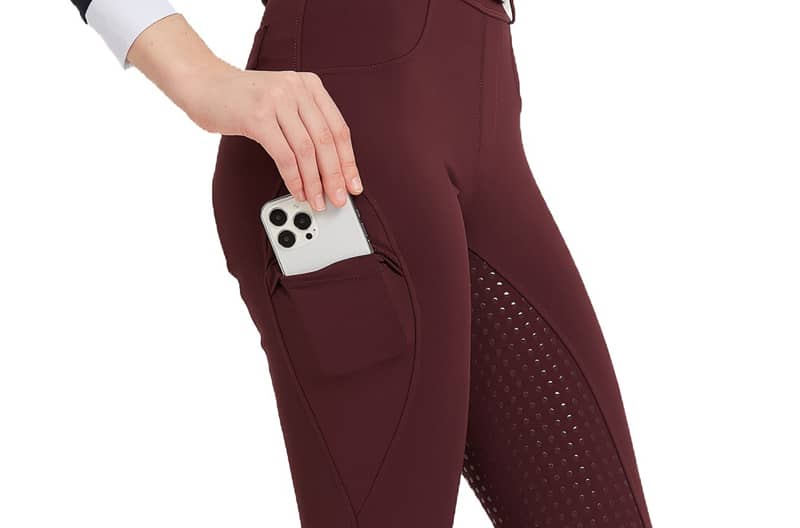
Small MOQs, Real Options
ODM speeds market entry with ready designs, but IP stays with the factory; OEM delivers full design control at higher tooling and MOQ costs.
MOQs: Low MOQs and in-stock options
For a breeches line at stage_1 sourcing, ODM can start as low as 10–50 units, enabling true small-MOQ experimentation in the small MOQ equestrian manufacturing space. By contrast, OEM MOQs are typically higher to justify tooling and setup, which raises upfront risk for new brands. In-stock options further cut risk by shortening lead times and removing costly setup fees, helping you validate fit and branding without locking you into a large batch. This matters when your KPI targets include faster time-to-market and lower sampling costs while preserving brand identity.
In-stock options and sample strategies
In-stock styles provide the quickest path to first production validation for a breeches line. Use a two-step sampling approach: development samples (7–15 days) to verify construction and fit, followed by pre-production samples to lock fabric, trims, and sizing before bulk. With in-stock SKUs you typically reduce or waive certain sampling/setup fees, and you can test the market with minimal exposure in the private label equestrian ODM vs OEM decision.
- Strategy: Start with an ODM base design to move fast, then consider a private label revamp (fabric, trim, colorways) to keep brand differentiation without heavy R&D.
- Sampling path: Development sample first, then pre-production sample before mass production.
- Lead times: Plan for 7–15 days for samples and 25–45 days for bulk production, with raw materials typically ~15 days.
MOQs values: 10–50 units
Low MOQ values (10–50 units) are the sweet spot for first-in-class breeches when using ODM or in-stock designs. This setup lets you test sizing, movement, and rider feedback without a large capital outlay. If you push into customized features beyond the base design, be prepared for incremental costs per unit and tighter limits on customization scope. This aligns with the goal of reducing risk while preserving design intent under small MOQ equestrian manufacturing constraints.
- Cost nuance: Per-unit costs tend to be higher at 10–50 unit runs, especially for customized components (embroidery, trims, patches).
- Fit risk: Smaller batches require rigorous pre-production sampling to ensure consistent knee grip, stretch, and seat tension for equestrian movement.
- Time advantage: ODM/stock routes compress lead times, helping you hit seasonal windows with less capital at risk.
- IP note: If you lean toward ODM, negotiate exclusive or short-term licenses to protect your brand during early launches.
Insider note: Start with an ODM base design to speed entry, then plan a private-label revamp later to maintain brand differentiation without heavy upfront R&D. This approach reduces sample costs for OEM ODM and streamlines testing across rider demographics.
To align next steps with your goals, review the OEM/ODM options and sample programs on our product page. Learn More →
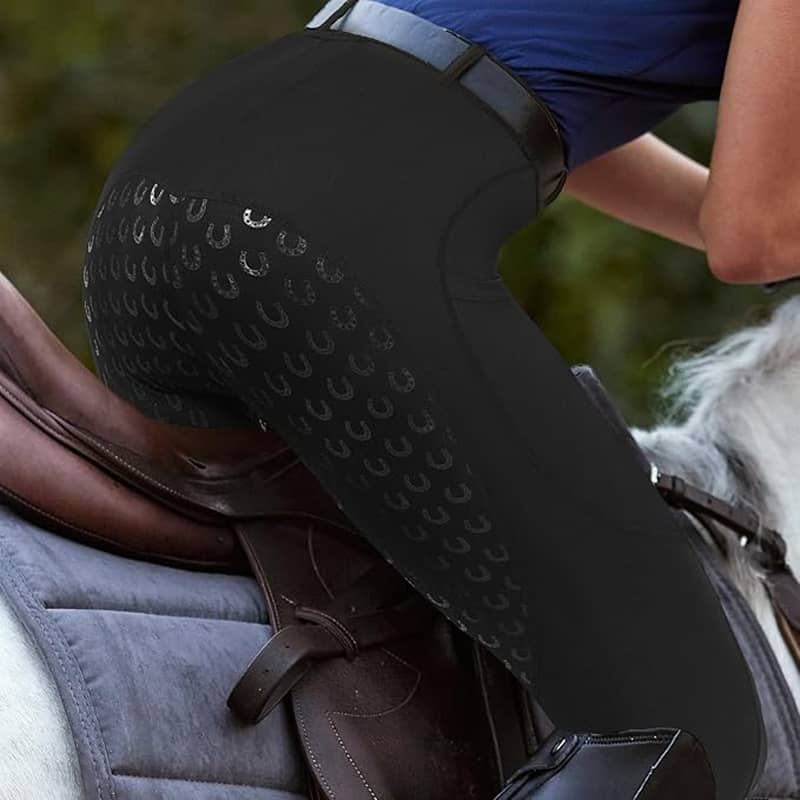
Lead Times & Cost Dynamics
Executive takeaway: If speed and low upfront risk matter, ODM is your ally; if design ownership and tooling control drive long-term ROI, OEM wins—choose the path that aligns with your brand milestones.
Sample lead time
Development samples are typically produced in 7–15 days, depending on complexity and material availability. Additional time may be needed for design revisions or custom embellishments such as silicone grips or embroidery.
Bulk production lead time
From start to finish, bulk production usually takes 25–45 days. This window covers cutting, sewing, quality checks, and packing, not including raw material lead times or final shipping delays.
Raw materials sourcing window
Sourcing raw materials typically runs about 15 days, depending on fabric availability, trims, and colorways. Special finishes or custom fabrics can extend this by another 1–2 weeks.
Sourcing windows and typical cost ranges
- ODM MOQs: 10–50 units to start; lower tooling risk but IP often stays with the factory. Consider negotiating exclusive licenses or short-term exclusivity to protect your brand.
- OEM MOQs: Generally higher to justify tooling and setup; plan for larger batches to achieve unit economics.
- Startup investment range: $2,400–$12,200 for initial development and first production run, reflecting design, sampling, and material costs.
- In-stock styles: Reduce upfront risk and time-to-market; lower or zero sampling/setup fees when reusing existing SKUs.
- Lead times (summary): Samples 7–15 days; Bulk production 25–45 days; Raw materials ~15 days.
- Certifications: CE/EN certifications are available where required; applicability depends on product type and target markets.
Insight: For a first small-batch breeches line, start with an ODM base to validate fit quickly, then selectively add private-label tweaks (fabric, trims, colors) to differentiate without heavy upfront R&D. Use low-MOQ options to test concepts with minimal risk, and lock in clear lead times and pricing signals early to protect your time-to-market window.
| Aspect | LeadTimeOrCost | Notes |
|---|---|---|
| Sample Lead Time | 7–15 days | Enables rapid iteration and pre-production approval. |
| Bulk Production Lead Time | 25–45 days | Supports production planning and milestone tracking. |
| Raw Materials Sourcing Window | ~15 days | Buffer for BOM finalization and supplier selection. |
| MOQs & In-stock Options | Low-MOQ options; in-stock SKUs available | Reduces upfront risk and accelerates early-stage launches; lowers sampling/setup fees. |
| Sample Fees & Cost Transparency | Sample fees generally charged; exceptions for in-stock items | Budget planning and upfront cost clarity. |
Quality, IP, & Compliance
Quality, IP, and compliance are non-negotiables that protect your brand and rider safety from day one.
QC Steps and Checkpoints
Quality control starts with material selection and flows through production. At Zest Equestrian, we embed QC at every stage, from raw material checks to final packaging to ensure consistent fit, finish, and rider safety.
- QC Step: Raw material inspection
- QC Step: In-process quality control
- QC Step: Final inspection before packing
This sequencing catches defects early, prevents drift in seams and fabric behavior, and protects performance across breeches, jackets, and protective gear.
Certifications and Optional Certifications
Certifications set guardrails for safety and market access. We tailor the strategy to product category, with baseline support for required marks and optional third-party testing where it adds value for retailers or distributors.
- Required Certifications: CE/EN aligned to product category
- Optional Certifications: ASTM testing for helmets and protective gear (as applicable); ISO 9001 for partner quality management
- Packaging & Labeling: Certification marks may be included on packaging where required
IP protection is baked into our process: NDAs, restricted design access, and controlled handoffs during ODM/OEM cycles to safeguard your concepts.
Quality Controls in Small Runs
Small-batch production demands tight QC with rigorous pre-production sampling to verify fit and finish for equestrian bodies and to catch issues before a full run.
- Lead Times: Samples 7–15 days; Bulk production 25–45 days
- Materials: Raw materials sourcing ~15 days
- Quality Checks: Raw material inspection, in-process QC, final inspection before packing
- Documentation: Pre-production and QC results documented for each batch
Insight: For small runs, rigorous pre-production sampling and inline QC are essential to prevent costly rework and protect your brand’s reputation with riders who demand reliable performance and fit.
Path Forward for Sofia
A practical path for Sofia: begin with small-MOQ ODM-derived options to lock in a tech pack, then layer in tweaks via private-label branding while preserving design control.
Decision path for a novice brand
Start by defining the breeches concept, rider needs, and a price target that supports your brand identity. Map these to MOQs, lead times, and sample costs to understand where risk sits. For Sofia, begin with an ODM-based base design to minimize upfront R&D while keeping control through labeling, trims, and colorways.
- MOQ reality: ODM base designs can start at 10–50 units; OEM tooling typically requires larger runs to justify setup.
- IP posture: ODM often leaves IP with the factory; negotiate exclusive licenses or short-term exclusivity to protect your brand.
- Cost trajectory: Use low upfront investment via ODM, then scale with private-label tweaks to preserve design control.
Start with low-risk MOQs
Keep initial exposure small to test fit, cost, and rider reception. Leverage in-stock styles when possible to shorten lead times and reduce sampling/setup fees.
- Low-MOQ entry: ODM MOQs can begin at 10–50 units, enabling market testing with minimal risk.
- In-stock options: Select in-stock breeches or related gear to cut sampling costs and aim for 7–15 days sample lead times.
- Sampling cost management: Plan for sample fees on custom items, but prefer stock styles to reduce upfront spend.
Request tech-pack assistance
A detailed tech pack anchors material, construction, and fit. Use CAD-assisted pattern development and iterative reviews to minimize rework and protect design intent.
- Tech-pack depth: Include fabric weight, stretch, seam allowances, trim specs, and size grading.
- Sample plan: Schedule pre-production samples to validate fit across core sizes; typical timelines align with 7–15 days for samples.
- Ownership & revisions: Ensure you retain the tech pack and define revision control for future designs.
Move toward first production
When fit and cost are validated, progress to pre-production samples and then bulk production. Plan around a 25–45 day window for bulk manufacturing and coordinate with GC/QA checkpoints.
- Pre-production samples: Required before mass production; expect 7–15 days for initial samples.
- Bulk production timeline: 25–45 days, depending on order size, product type, and seasonal workload.
- Quality gates: Implement raw-material inspection, in-process QC, and final inspection before packing.
Assess OEM/ODM options
Direct answers matter here: OEM offers full design control but higher upfront tooling costs; ODM provides faster market entry with ready designs, but IP often stays with the factory. For a first small-batch breeches line, a strategic ODM base with private-label customization typically delivers speed, cost discipline, and brand protection.
- When to choose ODM: Speed and cost efficiency; use an ODM base design and later add exclusive tweaks to differentiate.
- When to choose OEM: You require full design ownership and bespoke features; plan higher MOQs and tooling investments.
- Hybrid path: Start with ODM for rapid entry, then evolve to OEM for exclusive design elements as the brand scales.
Conclusion
OEM vs ODM decisions shape your breeches line's design control, cost, and speed to market. ODM reduces upfront tooling and MOQs, letting you launch faster, but ownership sits with the factory; OEM keeps design control but demands larger orders and upfront investment. For a risk-averse, budget-conscious brand, starting with an ODM-based base design and strict pre-production sampling can cut lead times and sampling costs while preserving branding through colorways, trims, and embroidery.
To take the next step, review your current sampling costs and lead times, and request a private, low-MOQ pilot with a defined pre-production sampling path. Learn more about OEM/ODM options, sample programs, and end-to-end production workflows at https://zestequestrian.com.
Frequently Asked Questions
What’s the difference between OEM and ODM clothing?
OEM (Original Equipment Manufacturer) clothing means Zest produces apparel to your exact designs, patterns, and tech packs under your brand. ODM (Original Design Manufacturer) means we handle design and development as well as production, delivering a finished line from concept to final product. At Zest Equestrian, we offer both paths: OEM for brands with established specs and ODM for brands seeking end-to-end design support, CAD-assisted pattern development, and tech-pack collaboration. We also provide low-MOQ options, rigorous sampling, and comprehensive QC to ensure performance and branding are built in from the start.
What are the most luxurious equestrian brands?
Luxury in equestrian gear comes from craftsmanship, premium materials, and refined finishing. Lux brands often blend heritage, custom hardware, and exclusive fabrics to create a premium look and feel. At Zest Equestrian, we help ambitious brands reach that luxury tier with OEM/ODM production that emphasizes couture-level QC, premium materials like bamboo blends and high-density padding, and customized finishes. We support logo detailing, packaging, color matching, and leather patches to deliver market-ready, luxury-grade products.
What’s the best horse riding brand?
There isn’t a single 'best' horse-riding brand—the right choice depends on discipline, rider needs, and market positioning. Some brands lead on safety and fit; others win with innovation, durability, or style. As your OEM/ODM partner, Zest Equestrian helps brands differentiate through custom design, reliable lead times, and rigorous QA that aligns with your brand story. We enable you to scale collections with consistent fit, finish, and performance that riders come to trust.
What are equestrian brands?
Equestrian brands are companies that design, manufacture, and market products for riders and horses—riding apparel, gear, saddlery, and horse-care items. They compete on performance, safety, branding, and storytelling across regions like Europe, North America, and Oceania. Zest Equestrian partners with DTC brands, tack shops, and promotional agencies to bring those brands to life through OEM/ODM production, CAD pattern development, and scalable manufacturing. We support branding through logo embroidery, trims, packaging, and low-MOQ options to help new lines grow.
What are the disadvantages of ODM?
ODMs offer design and production under one roof, but you may cede some control over IP, design direction, and timing. Changes during development can incur cost and schedule impacts, and quality can vary if the ODM’s standards differ from your brand. To reduce risk, ensure clear tech packs, pre-production samples, and robust QC. At Zest Equestrian, we mitigate these by providing CAD-assisted pattern development, design collaboration, transparent QC, and flexible MOQs as part of our ODM offerings.