


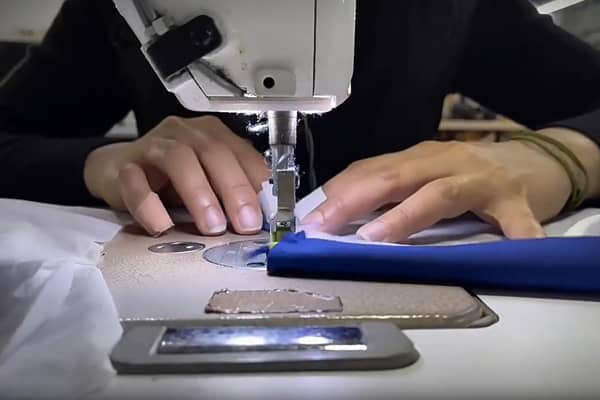
Matriz de decisão rápida: Seleção do fabricante num relance
| Tipo de fabricante | Melhor para | Prazo de execução | Gama MOQ | Nível de custos |
|---|---|---|---|---|
| OEM | Produtos standard de grande volume | 8-12 semanas | 500-2.000 unidades | Mais baixo |
| ODM | Desenhos personalizados com flexibilidade | 12-16 semanas | 300-1.000 unidades | Médio |
| Personalizado/ETO | Produtos premium especializados | 18-26 semanas | 50-200 unidades | Mais alto |
Principais conclusões
Escolher o fabricante equestre certo depende de três factores críticos: a complexidade do seu produto, o volume de encomendas e a flexibilidade do calendário. Além disso, à medida que o mercado cresce para 3,8 mil milhões de dólares até 2034, a seleção de um fabricante capaz de escalar com inovação torna-se essencial para o sucesso a longo prazo.
A seleção de um fabricante de produtos equestres pode ser decisiva para o sucesso da sua marca. Com o mercado equestre global a registar um crescimento sem precedentes, fazer a escolha certa nunca foi tão crucial. Este guia completo acompanha-o em todas as etapas do processo como escolher o fabricante equestre certo para a sua marca.
Visão de mercado: De acordo com relatórios do sector, prevê-se que o mercado equestre atinja 3,8 mil milhões de dólares até 2034, impulsionado pelo aumento da participação e da procura global de produtos avançados para cavaleiros e cavalos. Este crescimento torna a seleção de fornecedores fundamental para a diferenciação e a rentabilidade.
Comece pelas necessidades da sua marca
Definir a categoria e a complexidade do produto
Antes de explorar os fabricantes, é necessário compreender claramente o que se está a criar. Está a desenvolver vestuário de equitação de primeira qualidade, básico equipamento de proteção para cavalosou equipamento de segurança especializado? Cada categoria requer uma experiência de fabrico diferente.
Comece por categorizar os seus produtos nestes grupos principais:
- Vestuário para cavaleiros: CalçasCasacos, blusões e camadas de base que exigem um ajuste preciso e tecidos de alto desempenho
- Produtos de segurança: Capacetes e protectores corporais que necessitam de certificações de segurança rigorosas
- Equipamento para cavalos: Almofadas de selimcobertores e equipamento de proteção que exija durabilidade
- Acessórios: Luvas, sacose artigos mais pequenos com necessidades de personalização
Avalie o seu orçamento e as suas expectativas de volume
O seu orçamento influencia diretamente os fabricantes com que pode trabalhar. A maioria dos fabricantes do sector equestre trabalha com estas estruturas gerais de custos:
As matérias-primas representam normalmente 40-60% do seu custo total de fabrico. A mão de obra representa mais 20-30%, enquanto as despesas gerais e a logística completam as restantes despesas. Além disso, lembre-se de que os custos das amostras são muitas vezes 10 a 20 vezes superiores aos preços da produção em massa.
"Compreender o percurso do comprador - não apenas o mercado. Os profissionais do sector equino nos EUA tomam decisões de forma diferente dos profissionais da Europa ou da Ásia-Pacífico", aconselha Jutta Putz, estratega do mercado equino.
Determinar a sua linha de tempo e calendário de lançamento
O timing é tudo na indústria equestre. As épocas de competição, as compras de férias e os padrões climatéricos influenciam a altura em que os seus produtos têm de chegar ao mercado. Para além disso, terá de trabalhar com base na data de lançamento para determinar os requisitos do fabricante.
Considere estes factores típicos do calendário:
- Desenvolvimento de amostras: 2-4 semanas
- Revisões e aprovações: 1-2 semanas
- Produção em massa: 8-26 semanas, dependendo da complexidade
- Envio e alfândega: 2-6 semanas
- Distribuição e preparação da venda a retalho: 1-2 semanas
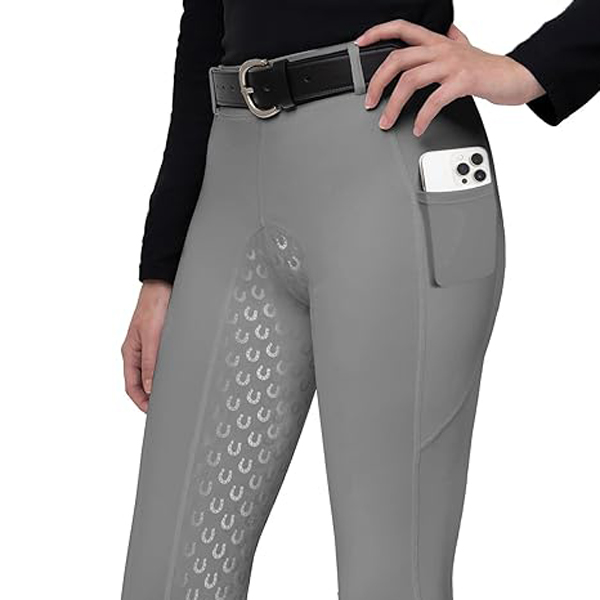
Calções de equitação para mulher de qualidade superior com tecidos técnicos
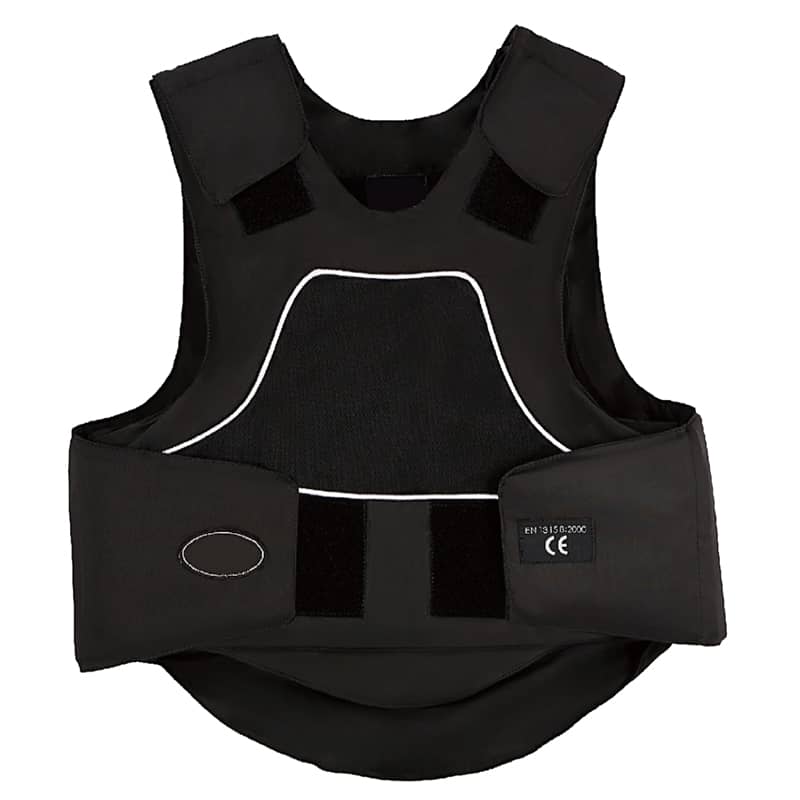
Protectores corporais com certificação de segurança para competição

Almofadas de selim personalizadas com materiais avançados
Compreender os 3 tipos de fabricantes
OEM (Original Equipment Manufacturer) - Quando o volume é importante
Os fabricantes OEM são perfeitos quando necessita de grandes quantidades de designs existentes. São especializados na produção de produtos normalizados de forma eficiente e económica. No entanto, as opções de personalização estão normalmente limitadas a elementos básicos de marca, como logótipos e cores.
Escolha o OEM quando estiver a lançar linhas de produtos estabelecidas, como os produtos básicos botas de sino ou luvas de equitação normais. A contrapartida são quantidades mínimas de encomenda mais elevadas, normalmente 500-2.000 peças por estilo.
ODM (Original Design Manufacturer) - O ponto ideal para a maioria das marcas
Os fabricantes ODM oferecem o melhor equilíbrio entre personalização e eficiência. Podem modificar desenhos existentes ou criar novos desenhos com base nas suas especificações. Esta abordagem funciona bem para as marcas que pretendem produtos únicos sem terem de começar do zero.
Muitas marcas equestres de sucesso utilizam Serviços ODM para criar colecções exclusivas. Obtém-se uma contribuição para o design ao mesmo tempo que se aproveita a experiência e as capacidades existentes do fabricante.
Inovação: Materiais avançados como a fibra de carbono e os tecidos inteligentes estão a remodelar o fabrico de vestuário e equipamento equestre. Além disso, a personalização está a aumentar para satisfazer as exigências de desempenho e sustentabilidade dos nichos de mercado modernos.
Personalizado/ETO (Engineer-to-Order) - Para produtos especializados de alta qualidade
Os fabricantes personalizados são excelentes na criação de produtos completamente únicos a partir do zero. São ideais para equipamento de segurança inovador, equipamento terapêutico especializado ou artigos de primeira qualidade feitos à medida. No entanto, é de esperar prazos de entrega mais longos, de 18 a 26 semanas, e custos unitários mais elevados.
Opte pelo fabrico por medida quando o seu produto requer uma engenharia única, como por exemplo produtos terapêuticos para cavalos ou sistemas inovadores de segurança do condutor.
Os factores de qualidade não negociáveis
Certificações de segurança essenciais que deve verificar
As certificações de segurança não são opcionais na indústria equestre - são obrigatórias. Diferentes categorias de produtos requerem certificações específicas, e trabalhar com fabricantes que compreendam estes requisitos é crucial.
As principais certificações incluem:
- ISO 9001: Certificação básica do sistema de gestão da qualidade
- ASTM F1163: Required for riding helmets in North America
- EN 13158: European standard for body protectors
- CE Marking: Mandatory for safety products sold in Europe
Always request documentation proving these certifications. Furthermore, ensure your manufacturer maintains current certifications and can provide updated certificates when needed.
Red Flags to Avoid in Quality Control
Some warning signs indicate potential quality problems before they become costly mistakes. Be cautious of manufacturers who can't provide detailed inspection reports, refuse factory visits, or seem unclear about safety standards.
Other red flags include:
- Unwillingness to provide references from existing clients
- No documented quality control processes
- Prices significantly below market averages
- Poor communication or delayed responses
How to Verify Manufacturer Claims
Don't just take manufacturers' word about their capabilities. Request detailed inspection reports covering raw materials, in-process checks, and final audits. Moreover, ask for third-party verification through independent testing labs.
The best manufacturers will proudly share their processos de controlo de qualidade and welcome your questions about their standards. They understand that your brand reputation depends on their manufacturing quality.
"Technological advancements in design and sustainability open new opportunities for market expansion and brand differentiation," notes Technavio's AI-driven market analysis (2024).
A repartição dos custos reais
Understanding Total Cost Calculator Approach
Manufacturing costs extend far beyond the per-unit price. Smart brands calculate total delivered costs including all hidden expenses that can significantly impact profitability.
A complete cost analysis includes:
- Base manufacturing cost per unit
- Tooling and setup fees for new products
- Sample development costs
- Quality control and inspection fees
- Packaging and labeling costs
- Shipping and logistics expenses
- Import duties and taxes
- Currency fluctuation buffers
Hidden Costs Most Brands Miss
Many new brands underestimate additional costs that emerge during production. Sample revisions can add weeks and hundreds of dollars to your timeline. Additionally, rush orders often carry 15-30% premium charges.
Other commonly overlooked costs include:
- Design revision fees after initial approval
- Storage costs for delayed shipments
- Quality control failures requiring reproduction
- Minimum order quantity penalties for mixed sizes
ROI Timeline Expectations
Equestrian products typically have longer development cycles than other apparel categories. Plan for 6-12 months from initial concept to market-ready inventory. However, successful products often generate returns for multiple seasons.
Consider working with manufacturers who offer material sourcing services to streamline your supply chain and reduce overall costs.
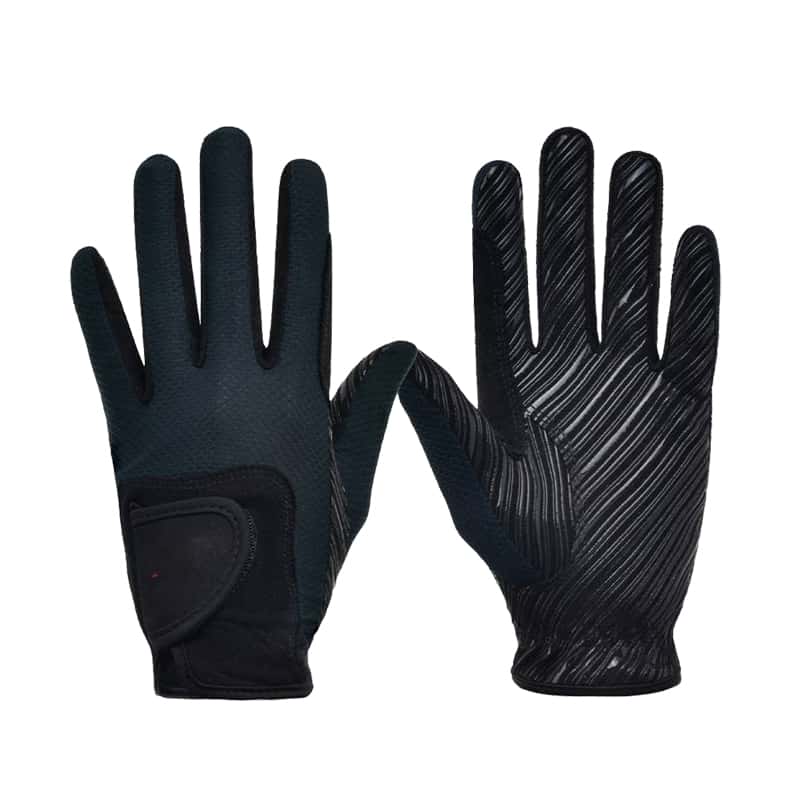
Professional competition gloves with grip technology
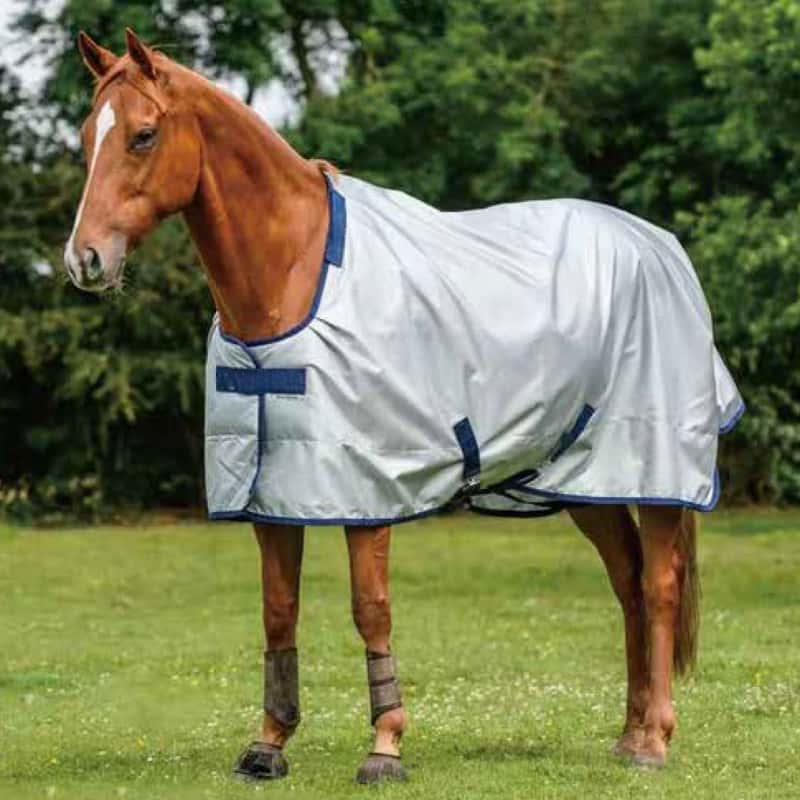
Weather-resistant horse rugs for all seasons

Breathable fly masks with UV protection
Acertar na cronologia
Seasonal Planning Backwards from Launch
The equestrian industry follows predictable seasonal patterns that directly impact your manufacturing timeline. Competition season typically runs from March through October in most regions, while winter months focus on training and preparation.
Plan your manufacturing schedule by working backward from these key dates:
- Spring Launch (March): Start manufacturing by November of the previous year
- Summer Peak (June-July): Begin production in January-February
- Fall Competition Season: Manufacturing should start in April-May
- Holiday Shopping: Production must begin by July for December availability
Remember that popular manufacturers often have fully booked production slots months in advance. Therefore, establishing relationships early gives you priority access to optimal manufacturing windows.
Buffer Time for Problems
Even the best manufacturers occasionally face delays due to material shortages, weather disruptions, or quality issues. Smart brands build 2-4 weeks of buffer time into their production schedules.
Common delays include:
- Raw material delivery delays from suppliers
- Quality control issues requiring reproduction
- Shipping delays during peak seasons
- Customs clearance complications
Perceção do especialista: Personalized rider and horse protection products—such as anatomically contoured saddle pads and biomechanical safety gear—are emerging as key differentiators for OEM/ODM manufacturers in the competitive landscape.
How to Negotiate Faster Turnarounds
When time is critical, experienced manufacturers can often accommodate rush orders for premium pricing. However, the key is building relationships before you need emergency services.
Strategies for faster production include:
- Choosing existing designs with minor modifications
- Using readily available materials instead of custom fabrics
- Accepting higher minimum order quantities for priority scheduling
- Trabalhar com fabricantes que oferecem serviços de amostragem rápida
Perguntas inteligentes a fazer antes de assinar
Conversation Starters That Reveal Manufacturer Capabilities
The right questions help you understand not just what manufacturers can do, but how they work. Furthermore, their responses reveal their experience level and commitment to quality partnerships.
Start with these essential questions:
- "Can you walk me through your typical project timeline from sample to delivery?"
- "What's your process for handling design revisions or quality issues?"
- "How do you ensure consistent quality across large production runs?"
- "What certifications do you maintain, and can you provide documentation?"
Pay attention to how detailed and confident their answers are. Experienced manufacturers will provide specific processes and examples from similar projects.
Deal-Breaker Questions About Communication and Support
Communication problems cause more project failures than manufacturing issues. Therefore, establish clear expectations about responsiveness and project updates from the beginning.
Critical communication questions include:
- "What's your typical response time for emails and project updates?"
- "Who will be my main point of contact throughout the project?"
- "How do you handle time zone differences for international clients?"
- "What happens if problems arise during production?"
Look for manufacturers who proactively communicate and have dedicated account management systems. Moreover, they should be able to provide references from clients in similar time zones or regions.
"Clearly define your product needs—item types (e.g., breeches, leggings, waterproofs), intended use (competition, leisure, training), and quality vs. budget balance—before reaching out to potential manufacturers."
Porque é que a localização é mais importante do que pensa
Regional Manufacturing Advantages
Different manufacturing regions offer distinct advantages depending on your specific needs. Asia provides cost efficiency and large-scale capabilities, while European manufacturers often excel in technical innovation and premium materials.
| Region | Melhor para | Typical Lead Time | Nível de custos |
|---|---|---|---|
| Asia-Pacific | High-volume production, cost efficiency | 12-16 semanas | Low-Medium |
| Europe | Premium materials, innovation | 8-12 semanas | High |
| América do Norte | Quick turnarounds, customization | 6-10 semanas | Medium-High |
Shipping and Duty Considerations
Shipping costs and import duties can significantly impact your total product costs. Ocean freight is most economical for large orders but requires longer transit times. Air freight offers speed but costs 3-5 times more.
Consider these logistics factors:
- Ocean shipping: 2-6 weeks transit time, lowest cost per unit
- Air freight: 3-7 days transit, highest cost but fastest delivery
- Express shipping: 1-3 days, premium pricing for urgent orders
- Import duties: Vary by product category and country of origin
Working with manufacturers who provide comprehensive soluções de expedição can simplify logistics and reduce your administrative burden.
Time Zone and Communication Impacts
Time zone differences affect project timelines more than most brands realize. A 12-hour time difference can effectively double response times for urgent questions or approvals.
Strategies for managing time zones include:
- Scheduling regular check-in calls at mutually convenient times
- Establishing clear escalation procedures for urgent issues
- Using project management platforms for asynchronous communication
- Building extra time into schedules for international coordination
A sustentabilidade como vantagem competitiva
Consumer Demand Trends
Modern equestrian consumers increasingly prioritize environmental responsibility. The sustainable equestrian apparel market is growing at 5.5% annually, driven by conscious purchasing decisions and corporate responsibility initiatives.
Key sustainability trends include:
- Recycled polyester and organic cotton fabrics
- Water-based dyes and eco-friendly finishing processes
- Biodegradable packaging materials
- Carbon-neutral shipping options
Brands that prioritize fabrico sustentável often command premium pricing and build stronger customer loyalty.
Easy Wins for Eco-Friendly Manufacturing
You don't need to revolutionize your entire product line to improve sustainability. Simple changes can significantly reduce environmental impact while appealing to conscious consumers.
Quick sustainability improvements include:
- Choosing OEKO-Tex certified fabrics
- Selecting manufacturers with renewable energy programs
- Implementing recycled packaging materials
- Reducing overproduction through better demand forecasting
Sustainability Insight: According to industry reports, brands using eco-friendly materials and production methods see 15-25% higher customer retention rates compared to conventional alternatives. This trend is particularly strong among younger equestrian enthusiasts.
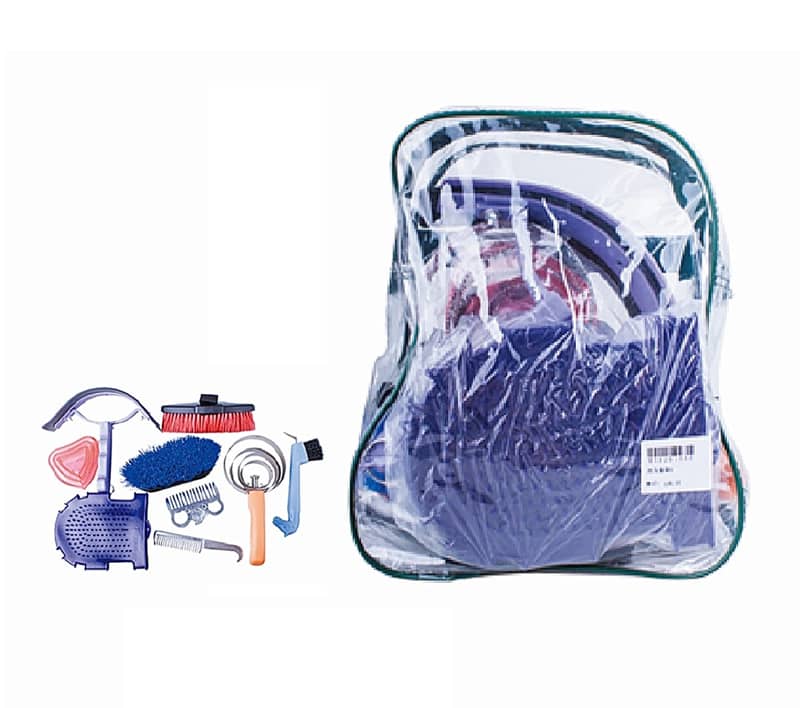
Eco-friendly horse grooming kits with sustainable materials

Safe, comfortable children's equestrian apparel

Durable PVC headcollars for daily use
Lista de controlo dos sinais vermelhos e dos sinais verdes
Warning Signs to Avoid
Recognizing red flags early can save you from costly mistakes and project failures. These warning signs often indicate deeper problems with manufacturer capabilities or business practices.
Critical Red Flags:
- ❌ Unwillingness to provide references or portfolio examples
- ❌ Significantly below-market pricing without clear explanations
- ❌ Poor communication or delayed responses to inquiries
- ❌ No documented quality control processes or certifications
- ❌ Pressure to sign contracts without adequate sample review
- ❌ Inability to explain their production processes clearly
- ❌ No backup plans for material shortages or production delays
Positive Indicators of Reliable Partners
Experienced manufacturers demonstrate professionalism and expertise through consistent behaviors and transparent processes. Look for these positive signs when evaluating potential partners.
Green Flags to Look For:
- ✅ Detailed project proposals with clear timelines and costs
- ✅ Proactive communication about potential challenges or delays
- ✅ Willingness to provide factory tours or video calls
- ✅ Current safety certifications and quality documentation
- ✅ Flexible minimum order quantities for new partnerships
- ✅ Comprehensive additional services beyond basic manufacturing
- ✅ Strong references from similar brands or product categories
"Evaluate communication and customer service: responsiveness, product knowledge, and clarity on after-sales support or warranties are crucial factors that separate excellent manufacturers from average ones."
Tomar a sua decisão final
Scoring System for Comparing Candidates
When you're down to 2-3 potential manufacturers, a systematic scoring approach helps eliminate emotion from your decision. Rate each candidate on key factors using a 1-10 scale.
Scoring Categories (Weight Each Factor):
- Quality & Certifications (25%): Safety standards, quality control processes
- Cost & Value (20%): Total delivered cost, payment terms, value for money
- Communication (15%): Responsiveness, clarity, project management
- Capacity & Reliability (15%): Production capability, on-time delivery history
- Innovation & Services (10%): Design capability, additional services offered
- Sustainability (10%): Environmental practices, material sourcing
- Geographic Fit (5%): Time zones, logistics, cultural alignment
Contract Essentials in Plain English
A good manufacturing contract protects both parties and establishes clear expectations. Don't let legal complexity prevent you from understanding key terms that affect your business.
Essential contract elements include:
- Product Specifications: Detailed descriptions, materials, quality standards
- Delivery Terms: Timeline, shipping method, delivery location
- Payment Terms: Deposit requirements, milestone payments, final payment
- Quality Standards: Acceptance criteria, inspection procedures, defect handling
- Intellectual Property: Design ownership, confidentiality agreements
- Force Majeure: How to handle unexpected delays or disruptions
Consider working with manufacturers who offer transparent fabricação de marcas próprias agreements that clearly define ownership and usage rights for your designs.
Final Due Diligence Steps
Before signing any agreement, complete these final verification steps to ensure you're making the right choice:
- Conduct reference calls with at least 2-3 current clients
- Request and thoroughly test product samples under real-world conditions
- Verify all certifications and insurance documentation
- Confirm financial stability through business credit reports
- Schedule a final video call or factory visit if possible
Remember that choosing a manufacturer is the beginning of a long-term relationship. The extra time invested in thorough evaluation pays dividends throughout your partnership.
Final Insight: According to industry experts, brands that invest adequate time in manufacturer selection see 40% fewer production issues and 25% better long-term profitability compared to those who rush the decision process.
Conclusão
Choosing the right equestrian manufacturer requires balancing multiple complex factors, from quality standards and cost considerations to timeline requirements and sustainability goals. The manufacturers you select will directly impact your product quality, brand reputation, and business profitability.
Success comes from taking a systematic approach: clearly defining your needs, thoroughly evaluating potential partners, asking the right questions, and making informed decisions based on data rather than assumptions. Furthermore, remember that the lowest price rarely delivers the best value when you factor in quality, reliability, and long-term partnership benefits.
The equestrian market's growth trajectory toward USD 3.8 billion by 2034 presents tremendous opportunities for brands that partner with the right manufacturers. However, this growth also means increased competition and higher customer expectations for product quality and innovation.
As you move forward with manufacturer selection, prioritize partners who demonstrate expertise in your specific product categories, maintain proper certifications, communicate effectively, and share your commitment to quality and sustainability. The time invested in making the right choice will pay dividends for years to come.
Ready to Find Your Ideal Manufacturing Partner?
At Zest Equestrian, we specialize in helping brands like yours navigate the complex world of equestrian manufacturing. Our comprehensive services include everything from initial design consultation to final product delivery.
Whether you need OEM/ODM services, custom product development, or guidance on quality control standards, our experienced team is ready to support your success.
Get started today with a free consultation.
Recursos externos e referências
For additional research and industry insights, consider these authoritative sources:
- ASTM International - F1163 Standard Specification for Protective Headgear
- ISO 9001 Quality Management Systems
- OEKO-TEX Standards for Textile Testing
- Bluesign Sustainable Textile Production
- US Department of Commerce - International Trade Guidelines
- Grand View Research - Equestrian Equipment Market Analysis
- Technavio Market Research - Equestrian Apparel Trends
- McKinsey & Company - Sustainable Fashion Industry Report
This comprehensive guide provides the foundation for making informed manufacturer selection decisions. Remember that each brand's needs are unique, and the best choice depends on your specific requirements, budget, and long-term business goals.
About the Author: This guide was developed by the manufacturing experts at Zest Equestrian, drawing from over a decade of experience in equestrian product development and manufacturing partnerships. For more insights and resources, visit our manufacturing blog.