



Key Takeaways: Who Wins Where?
Before diving into the analysis, here is the snapshot of the current market battle. The "winner" depends on what metric you are looking at:
| 카테고리 | Heritage Brands (e.g., Ariat, Pikeur) | DTC Startups | Who is Winning? |
|---|---|---|---|
| Price Point | Premium / High Markup | Competitive / Value | Startups (Better value for money) |
| Innovation Speed | Slow (Annual Cycles) | Fast (Trend Reactive) | Startups (Faster to launch) |
| 시장 도달 범위 | Massive (Global Stores) | Niche (Social Media) | Heritage Brands (Volume) |
| 지속 가능성 | Adapting Slowly | Core Identity | Startups (Built on eco-values) |
Provided by 제스트 승마, your partner in premium apparel manufacturing.
The world of horse riding gear is changing fast. In the past, everyone bought their gear from the same three or four big companies. But in 2026, the game has changed. Now, new small companies selling directly to riders online (Direct-to-Consumer or DTC) are fighting for attention against the old giants.
This isn't just a battle of logos. It is a war over supply chains, factory access, and who can get new products to the stable the fastest. Whether you are a business owner looking to choose an equestrian manufacturer or a rider curious about where your gear comes from, understanding this shift is crucial.
The 2026 Battlefield: A Fragmented Market
You might think one huge company owns everything, but that is not true. The equestrian market is surprisingly broken up into tiny pieces. We call this a "fragmented market."
The "5% Rule"
Research shows that no single brand controls more than 5% of the total global market. This is rare in business! Usually, one giant company, like Nike in running, eats up most of the sales. In the horse world, however, riders need very specific things. A dressage rider in Germany needs different gear than a barrel racer in Texas. Because of this, there is room for everyone.
This fragmentation is good news for new businesses. It means you don't have to beat the biggest company to be successful; you just have to be the best in your specific category.
인사이트: Global equestrian equipment is expected to grow by around USD 3.1 billion between 2024 and 2028, but margin pressure and shifting buyer expectations mean that sourcing efficiency and supplier quality are becoming key competitive levers.
Giants vs. Agile Players
The market is currently split into two main camps:
- Heritage Giants: These are brands like Ariat, Pikeur, and Horseware. They have been around for decades. They have huge warehouses, massive budgets, and are sold in almost every tack shop.
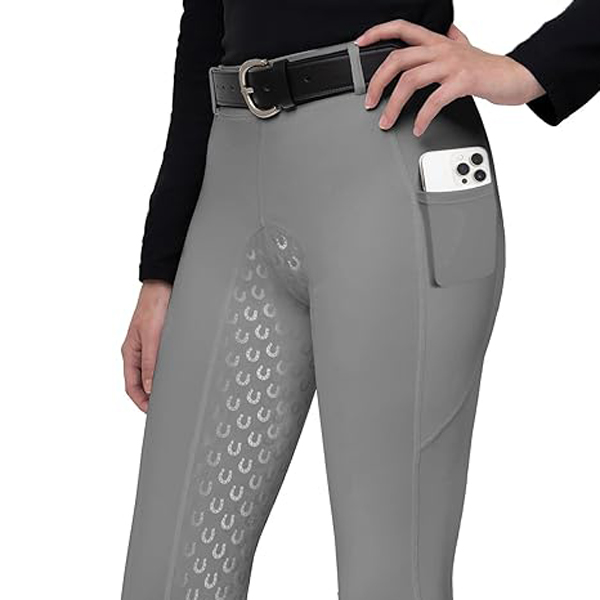
- Agile Startups: These are the new kids on the block. They usually sell only online. They focus on trends, like silicone grip breeches or matching sets, and they move very fast.
While the giants have the money, the startups have the speed. The winner of the future isn't necessarily the biggest; it is the one who understands their customer best.
Why Heritage Brands Are Still "Winning" (The Omnichannel Secret)
Don't count the big guys out yet. Traditional heritage brands are still capturing the most revenue. But they aren't doing it the old-fashioned way. They have learned a new trick called "Omnichannel."
It's Not Just About Physical Stores
Omnichannel means selling everywhere at once. Heritage brands used to only sell to tack shops (wholesale). Now, they are selling directly to you on their websites, too. By doing both, they capture every type of customer.
If you want to try on boots, you go to their retailer. If you know your size and want a specific color, you buy from their site. This "Hybrid" model is very powerful because it builds trust. Riders know that if they buy a helmet or body protector from a big brand, it is safe and standardized.
The Ariat Example
Ariat is the perfect example of this success. They didn't just stay in tack shops. They opened their own massive online store and even their own physical brand stores. Reports indicate their online sales alone reached over $169 million recently. They use their physical presence to build the brand image, and their online store to make high-margin sales.
For a business to compete with this, you need a supply chain that is just as reliable. Knowing where big brands manufacture can give you clues on how to structure your own sourcing.
Where DTC Startups Are Stealing the Show
While heritage brands have the volume, startups are winning the "cool factor" and specific high-growth areas.
Segment 1: Sustainability
This is the biggest weapon for startups. Modern riders care about the planet. They want to know if their shirt is made of recycled plastic or organic cotton. Big brands are like big ships; they turn slowly. It takes them years to change their fabrics.
Startups, however, can launch a fully eco-friendly line in months. Currently, nearly 58% of the market growth is shifting toward eco-friendly products. If you are launching a brand, looking into eco-fabrics like bamboo and recycled polyester is a smart move.
Segment 2: Influencer Brands
Startups don't need TV commercials. They use TikTok and Instagram. Influencer-led brands are growing fast because they feel personal. When a famous rider launches a brand, their fans buy it immediately. This social commerce strategy bypasses the need for physical stores entirely.
Segment 3: Niche Needs
Big brands make products for the "average" rider. Startups win by focusing on the "edges." This could be custom saddle pads with crazy patterns, extra-inclusive sizing, or gear specifically for trail riding. By serving a niche that big brands ignore, startups build intense loyalty.
"Function-first design is dominating 2025's trends. Riders want gear that works in the stable and looks good in the grocery store." — Industry Fashion Expert
The Hidden "Sourcing War": Manufacturing Challenges in 2026
Here is the secret: The battle isn't really about marketing. It is about manufacturing. If you can't get the product made well and delivered on time, you lose.
The Tariff Trouble
In 2026, trade rules are complicated. Tariffs (taxes on imports) change frequently, especially between major manufacturing hubs and Western markets. This impacts pricing. Big brands can absorb these costs, but startups often struggle. Understanding the landscape of importing products is essential to keep your prices stable.
The Agility Gap
Big brands order thousands of items at once. This gets them a cheap price, but they can't change designs quickly. If neon pink suddenly becomes the trend for summer, the big brand misses it because they ordered their stock a year ago.
Startups have the "Agility Advantage." They can pivot. But, they often struggle with Quality Control. A small factory might make one batch well and the next batch poorly. This is why finding a professional partner is the most critical step.
인사이트: China has become the world’s largest producer of equestrian equipment and riding apparel, making the choice between branded European suppliers and Chinese OEM/ODM factories a strategic decision about cost, lead time, and innovation access.
The Solution: Professional OEM Partners
To survive this war, brands need a partner, not just a factory. They need a manufacturer who understands safety standards for 라이딩 안전 제품 and the technical requirements of sportswear. This bridges the gap—giving startups the quality of a big brand, and big brands the speed of a startup.
How to Win the Sourcing War (Whether You Are Big or Small)
So, how do you come out on top in 2026? The winners are following these three rules.
Step 1: Sustainable Sourcing
Sustainability is no longer a "nice to have." It is a requirement. Retailers are asking for it, and customers are demanding it. Winning brands are partnering with manufacturers who have certifications and access to green materials. You need to verify your sustainability claims with real data.
Step 2: Flexible MOQs
MOQ stands for "Minimum Order Quantity." In the past, you had to buy 1,000 jackets to get a good price. That is too risky for 2026. The winners are finding factories that offer lower MOQs. This allows brands to test new ideas without going bankrupt. If you are looking for wholesalers or manufacturers, ask about their flexibility first.
Step 3: Speed-to-Market
Speed is money. The faster you go from a sketch to a finished product, the better. This requires excellent 샘플 개발 서비스. If your manufacturer takes three months to make a prototype, you have already lost the trend. The best brands are cutting this time down to weeks.
자주 묻는 질문
Who are the biggest equestrian brands in 2026?
The market leaders continue to be Ariat, Pikeur, Horseware Ireland, and Roeckl. However, their dominance is being challenged by fast-growing brands like LeMieux and specialized technical brands.
Is it better to source from China or Europe?
It depends on your goal. Europe offers heritage and proximity for EU brands but at a much higher cost. China remains the leader for manufacturing scale, technology, and cost-efficiency. For most growing brands, China offers the best balance of quality and price.
How do I start a sustainable equestrian brand?
Start by identifying your niche. Then, find a manufacturer who specializes in eco-fabrics. You can read our full guide on starting an equestrian clothing business for step-by-step advice.
Why is equestrian equipment so expensive?
It comes down to materials and safety. High-quality leather and technical fabrics are costly. Furthermore, safety gear like helmets requires expensive testing and certification to ensure rider safety.
Conclusion: The Verdict
Who is winning the 2026 sourcing war? The answer isn't just "Heritage Brands" or "DTC Startups." The real winners are the Hybrid Brands.
These are the companies that combine the trust and quality of the old guard with the speed, sustainability, and digital savvy of the new startups. But you cannot execute a hybrid strategy without a world-class manufacturing partner.
에서 제스트 승마, we bridge this gap. We provide the agility that startups need with the premium quality assurance that heritage brands demand. Whether you need eco-friendly fabrics, rapid prototyping, or full OEM production, we are ready to help you win your market.
Start Your Collection With Zest Today
추가 자료를 위한 외부 리소스
- Strategic Market Research: Global Equestrian Market Report
- Salesforce: How Ariat Uses Tech for Omnichannel Growth
- Future Market Insights: Sustainable Apparel Trends